Daily Habits for a Healthy Gut: Foods for Better Sleep and Stress Relief
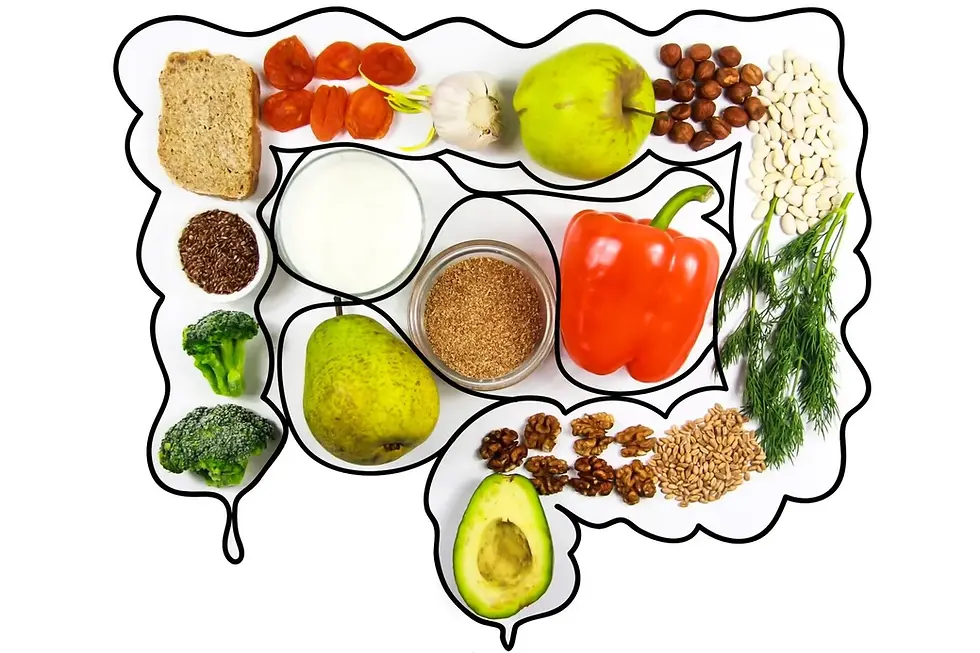
A healthy gut does more than just help digestion. It plays a key role in how well you sleep and how your body handles stress. Many people don’t realize that the foods they eat and the habits they follow every day can shape their gut health, which in turn affects their overall well-being. This post explores simple daily habits to support your gut, how a balanced gut can improve sleep quality and reduce stress, and which foods you should include regularly to get these benefits.
Why Gut Health Matters for Sleep and Stress
Your gut is home to trillions of bacteria, collectively called the gut microbiome. These microbes influence many body functions, including the production of neurotransmitters like serotonin, which affects mood and sleep. When your gut is balanced, it helps regulate hormones and reduces inflammation, both of which are linked to better sleep and lower stress levels.
Poor gut health can lead to digestive issues, but it also disrupts sleep patterns and increases stress hormones like cortisol. Research shows that people with a healthy gut microbiome tend to fall asleep faster and experience deeper, more restorative sleep. They also report feeling calmer and more resilient to daily stress.
Daily Habits to Support a Healthy Gut
Building a healthy gut doesn’t require drastic changes. Small, consistent habits can make a big difference over time.
1. Eat a Variety of Fiber-Rich Foods
Fiber feeds the good bacteria in your gut. Aim to include different types of fiber from fruits, vegetables, whole grains, nuts, and seeds. Examples include:
Apples, pears, and berries
Broccoli, carrots, and leafy greens
Oats, quinoa, and brown rice
Almonds, chia seeds, and flaxseeds
Try to get at least 25-30 grams of fiber daily. This supports diverse gut bacteria, which improves digestion and mood regulation.
2. Include Fermented Foods Daily
Fermented foods contain live probiotics that add beneficial bacteria to your gut. Some easy options are:
Yogurt with live cultures
Sauerkraut and kimchi
Kefir and kombucha
Miso and tempeh
Start with small servings and increase gradually to avoid digestive discomfort. These foods help balance gut bacteria and reduce inflammation, which can improve sleep quality.
3. Stay Hydrated
Water helps fiber do its job and supports the lining of your gut. Aim for 8 glasses of water a day, more if you are active or live in a hot climate. Herbal teas like chamomile or peppermint can also soothe digestion and promote relaxation.
4. Manage Stress with Mindful Practices
Stress negatively affects gut bacteria and digestion. Incorporate stress-reducing activities such as:
Deep breathing exercises
Meditation or yoga
Regular physical activity
Spending time in nature
These habits calm your nervous system, which supports a healthy gut-brain connection and better sleep.
5. Avoid Excessive Use of Antibiotics and Processed Foods
Antibiotics can wipe out good gut bacteria, so use them only when necessary and under medical advice. Processed foods high in sugar, unhealthy fats, and additives can harm your gut microbiome. Limit fast food, sugary snacks, and sodas.
Foods That Help Improve Sleep and Reduce Stress
Certain foods have properties that support gut health and also promote better sleep and stress relief.
Foods Rich in Magnesium
Magnesium relaxes muscles and calms the nervous system. It also supports gut health by reducing inflammation. Include:
Spinach and Swiss chard
Pumpkin seeds and almonds
Black beans and lentils
Avocados
Magnesium-rich foods can help you fall asleep faster and reduce anxiety.
Foods High in Tryptophan
Tryptophan is an amino acid that helps produce serotonin and melatonin, hormones that regulate mood and sleep. Good sources include:
Turkey and chicken
Eggs
Nuts and seeds
Oats and bananas
Eating these foods in the evening can support a restful night.
Omega-3 Fatty Acids
Omega-3s reduce inflammation and improve brain function. They also support gut bacteria diversity. Include:
Fatty fish like salmon, mackerel, and sardines
Walnuts and flaxseeds
Chia seeds
Omega-3s can lower stress hormone levels and improve sleep quality.
Polyphenol-Rich Foods
Polyphenols are plant compounds that feed good gut bacteria and reduce inflammation. Examples are:
Berries like blueberries and strawberries
Dark chocolate (in moderation)
Green tea
Red grapes
These foods support a healthy gut and help calm the mind.
Practical Tips to Incorporate These Habits
Start your day with a bowl of oatmeal topped with berries and flaxseeds.
Snack on a handful of almonds or walnuts instead of processed snacks.
Add a side of sauerkraut or kimchi to your meals a few times a week.
Drink herbal tea after dinner to relax your digestive system.
Practice 5 minutes of deep breathing before bedtime to reduce stress.
What to Avoid for Better Gut Health and Sleep
Excess caffeine late in the day, which can disrupt sleep.
High sugar and processed foods that feed harmful bacteria.
Heavy meals close to bedtime that can cause indigestion.
Smoking and excessive alcohol, which harm gut lining and sleep quality.
When to Seek Professional Advice
If you experience persistent digestive issues, sleep problems, or high stress despite healthy habits, consult a healthcare provider. They can help identify underlying conditions and recommend personalized treatments.
Take the Next Step Toward Better Gut Health
Improving your gut health can have a powerful impact on your digestion, sleep, stress levels, and overall well-being. While the habits and nutrition tips in this article are a great place to start, many people find it challenging to know exactly what changes are right for their unique needs.
If you're struggling with nutrition, digestive issues, or poor gut health, our Eat Well 4Life program can help. This personalized 6-week nutrition program is designed to help you build healthier habits, improve your relationship with food, and create a plan that supports your long-term health goals.
To learn more, schedule a free consultation or call us at 617-477-4014. We're here to help you take the guesswork out of nutrition and start feeling your best.


Comments